Fastest Charging EVs in Australia
Fast charging matters most on road trips. These EVs accept the highest DC charging speeds on Australia's fast-charging networks — meaning fewer and shorter stops between cities.
How we ranked these
Ranked almost entirely on DC charging speed — the spec that defines this category. Range is also considered because the fastest-charging car is less useful if it needs to stop every 200 km.
The maximum rate at which the car accepts charge from a public DC fast charger. 200+ kW means a 10–80% charge in under 20 minutes at a compatible ultra-rapid charger.
A high charging speed is most useful when the car also has sufficient range between stops. A 150 kW car with 600 km range beats a 250 kW car with 300 km range for most road trips.
Buying guide
The 10–80% benchmark is what matters
Max DC kW is the headline number, but charging speed isn't constant — it peaks early then tapers off. The 10–80% charge time (how long to go from nearly empty to 80%) is the most meaningful comparison for real road trip stops. A 20-minute 10–80% time means a coffee stop; 45 minutes is a sit-down meal.
The charger must match the car
A car rated at 200 kW DC will only charge at 200 kW if the charger can also deliver 200 kW. Australia's Chargefox ultra-rapid and Evie 350 kW sites support this. Most 50 kW roadside chargers will limit a fast-charging car to 50 kW regardless of its rating.
800V architecture is a step up
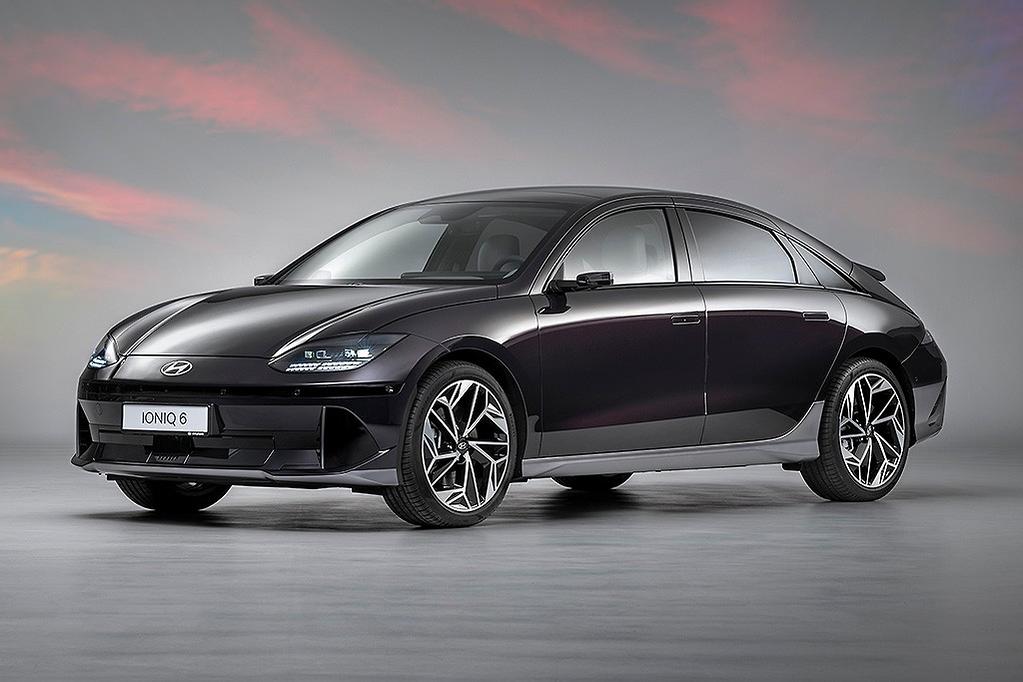
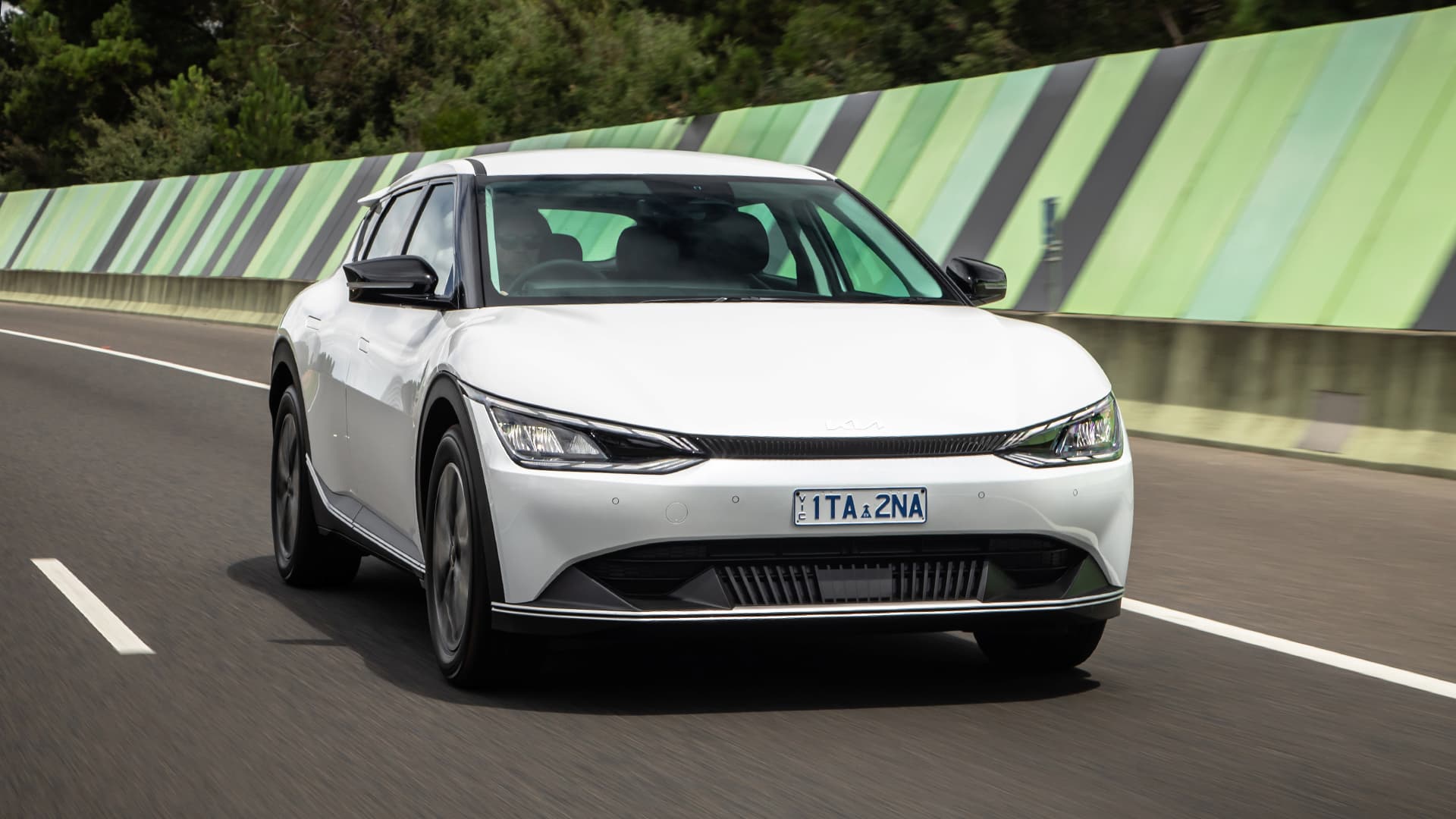
The Hyundai Ioniq 6, Kia EV6, and Porsche Taycan use 800V electrical architecture, allowing faster sustained charging with less heat. This is why they maintain high charging speeds across the full 10–80% window, not just at the start.