Best AWD EVs in Australia
AWD electric vehicles use two motors — one per axle — giving them better traction, faster acceleration, and more confidence in wet, hilly, or off-road conditions. They're also better suited to towing. Here are the best AWD EVs available in Australia.
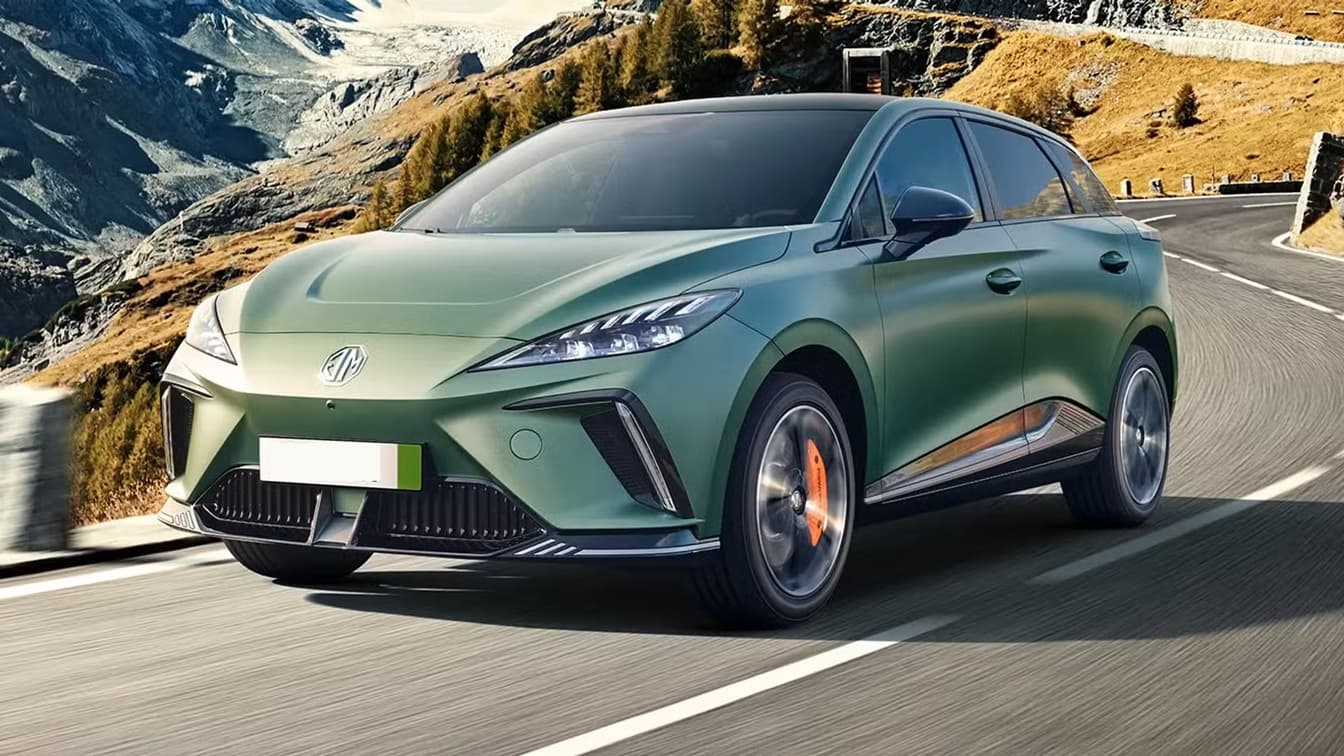
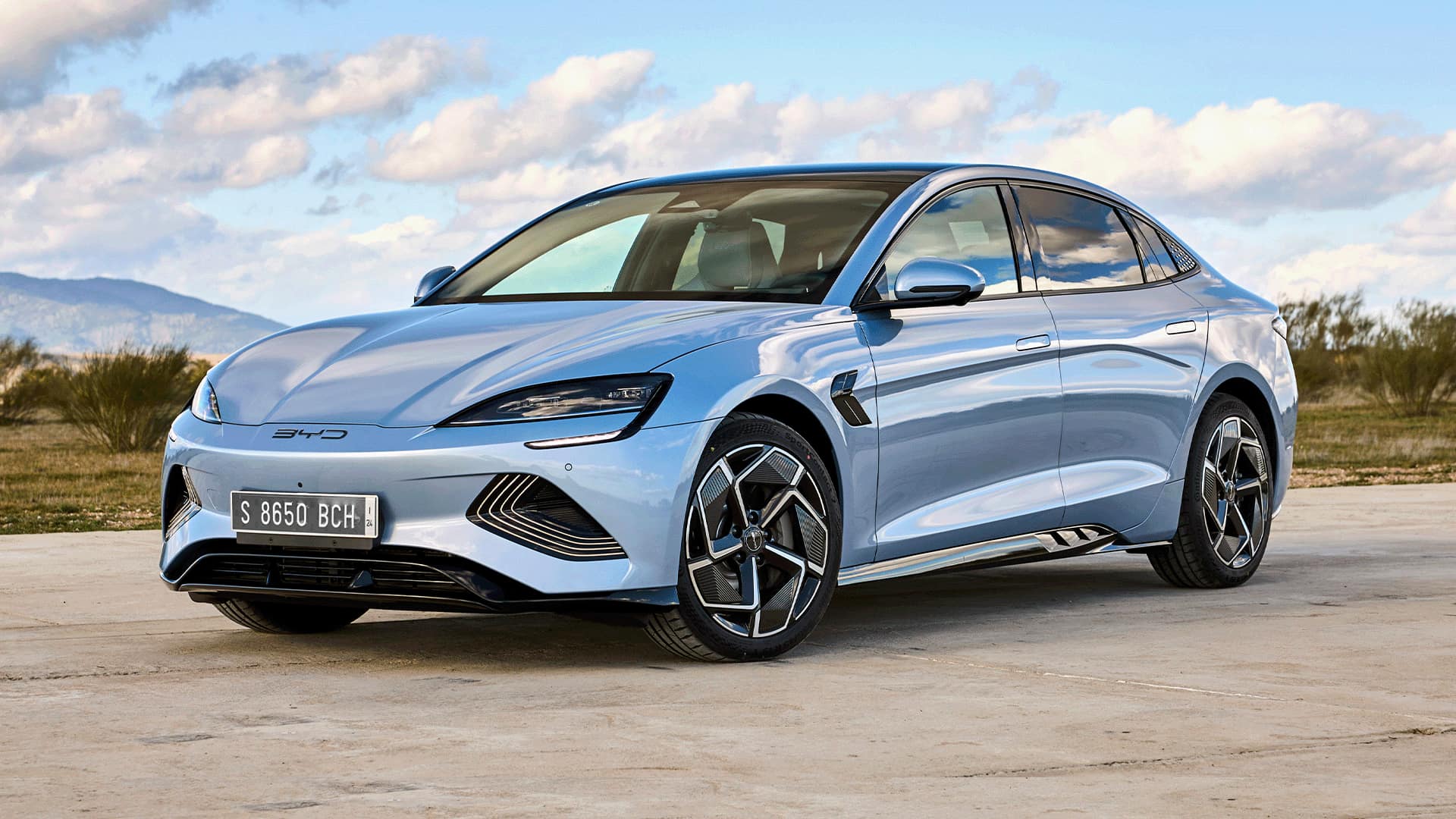
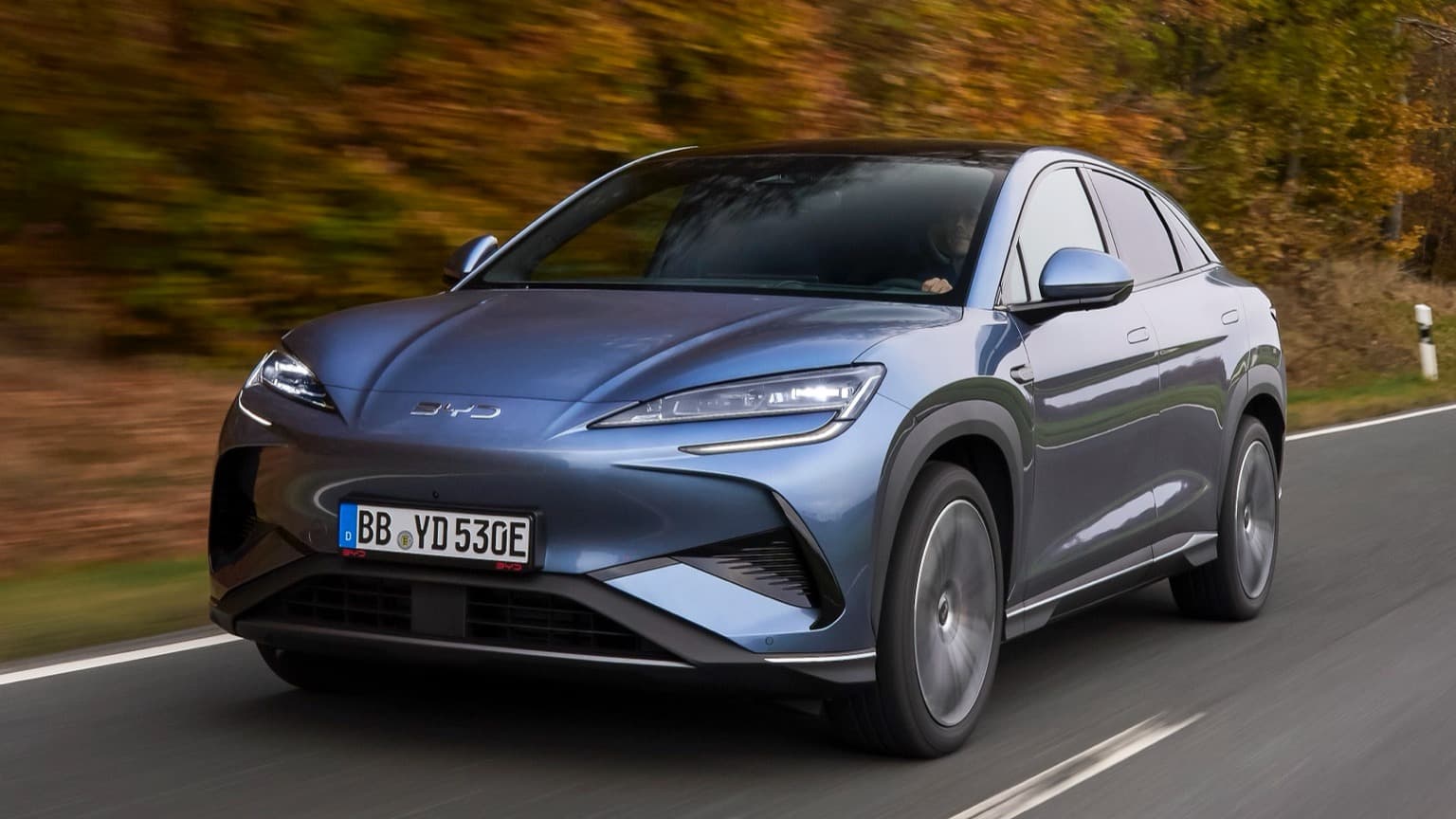
BYD
Seal
1 of 3 variants match
From
$61,990
Range
520 km
≈ 11 commutes
DC Charge
150 kW
fast
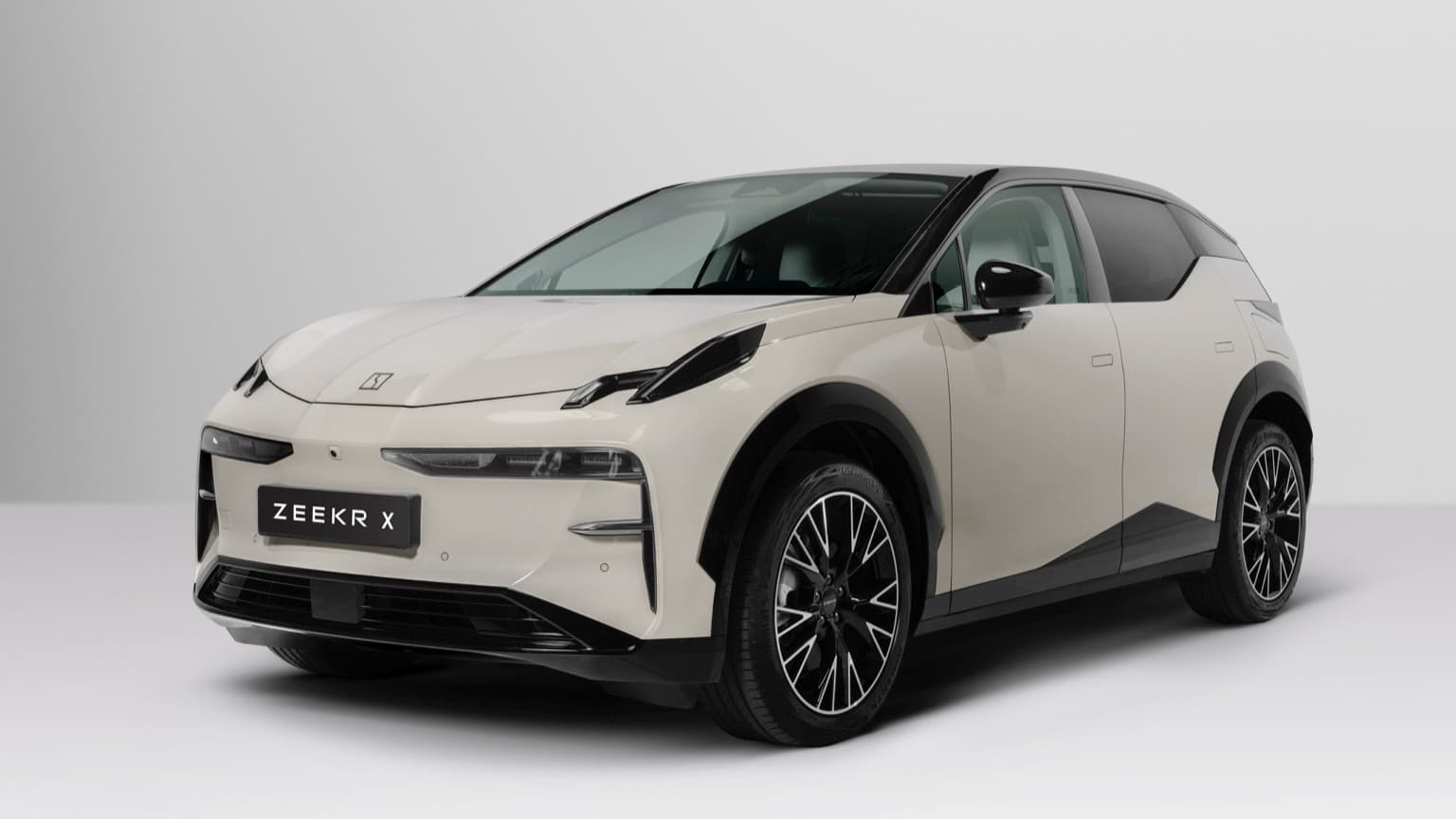
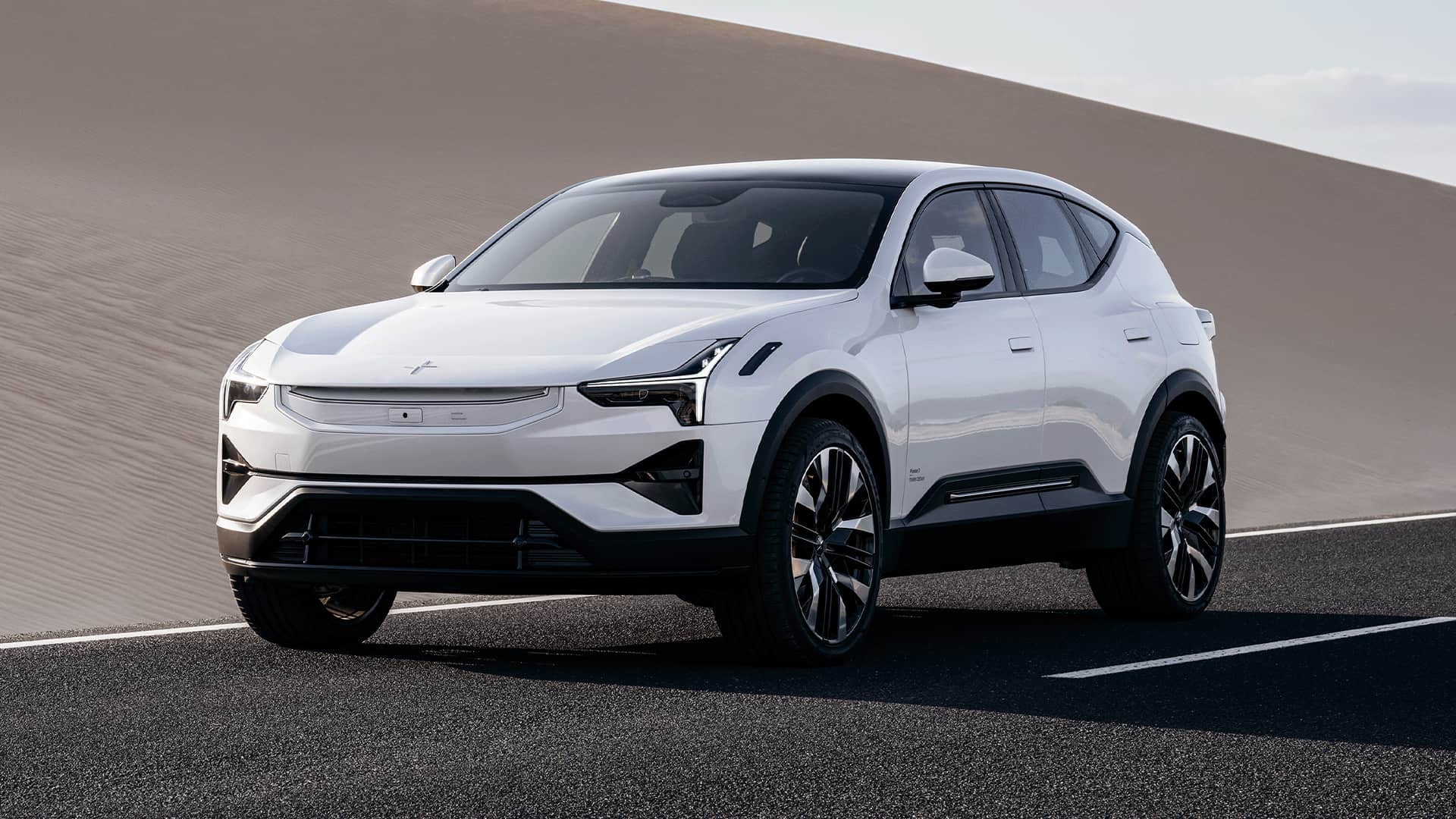
Polestar
3
2 variants
From
$63,500
to $132,900
Range
610 km
≈ 13 commutes
DC Charge
250 kW
fast
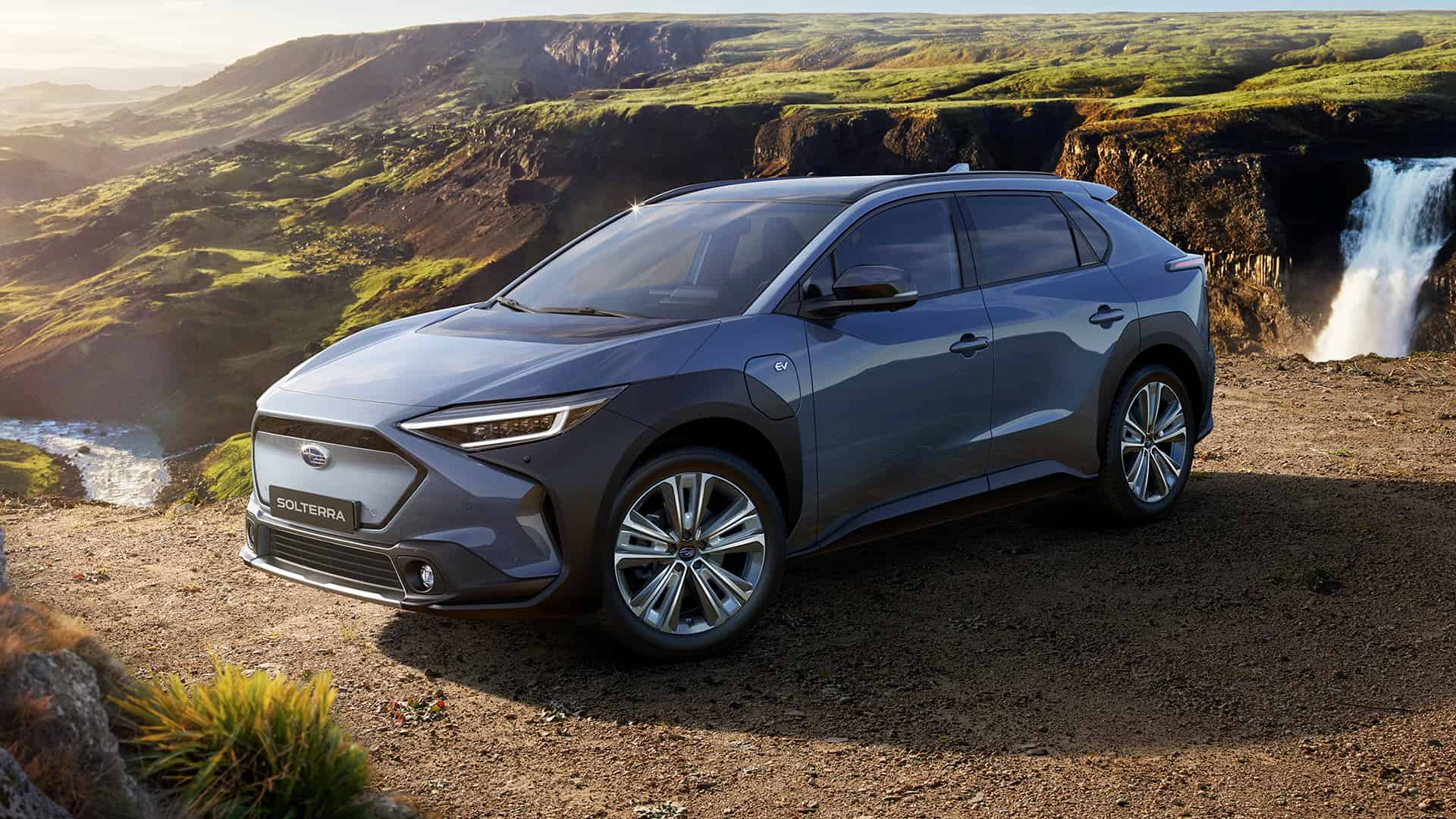
Subaru
Solterra
2 variants
From
$63,990
to $76,990
Range
566 km
≈ 12 commutes
DC Charge
150 kW
fast
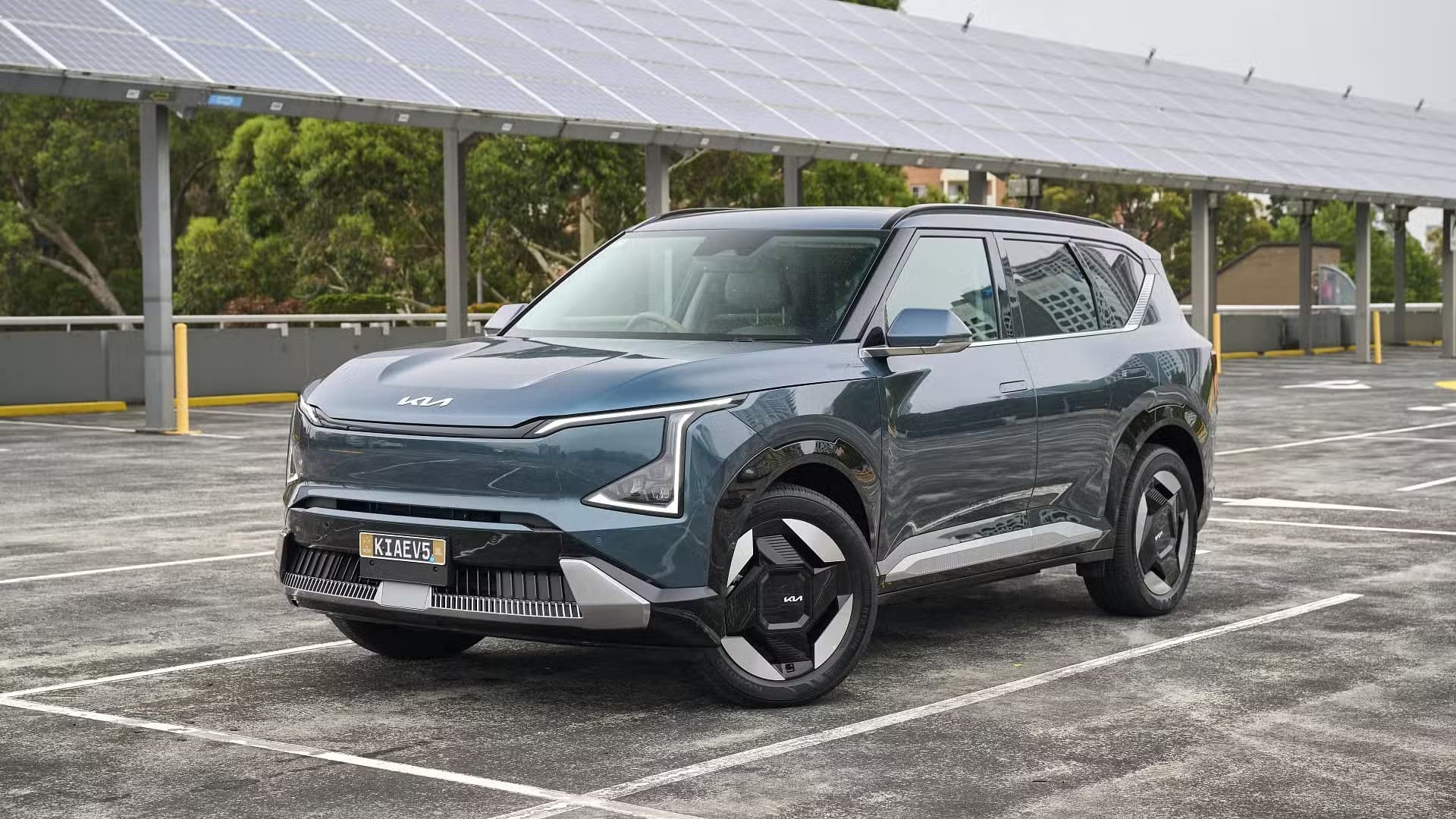
Kia
EV5
2 of 4 variants match
From
$64,770
to $71,770
Range
500 km
≈ 10 commutes
DC Charge
140 kW
medium
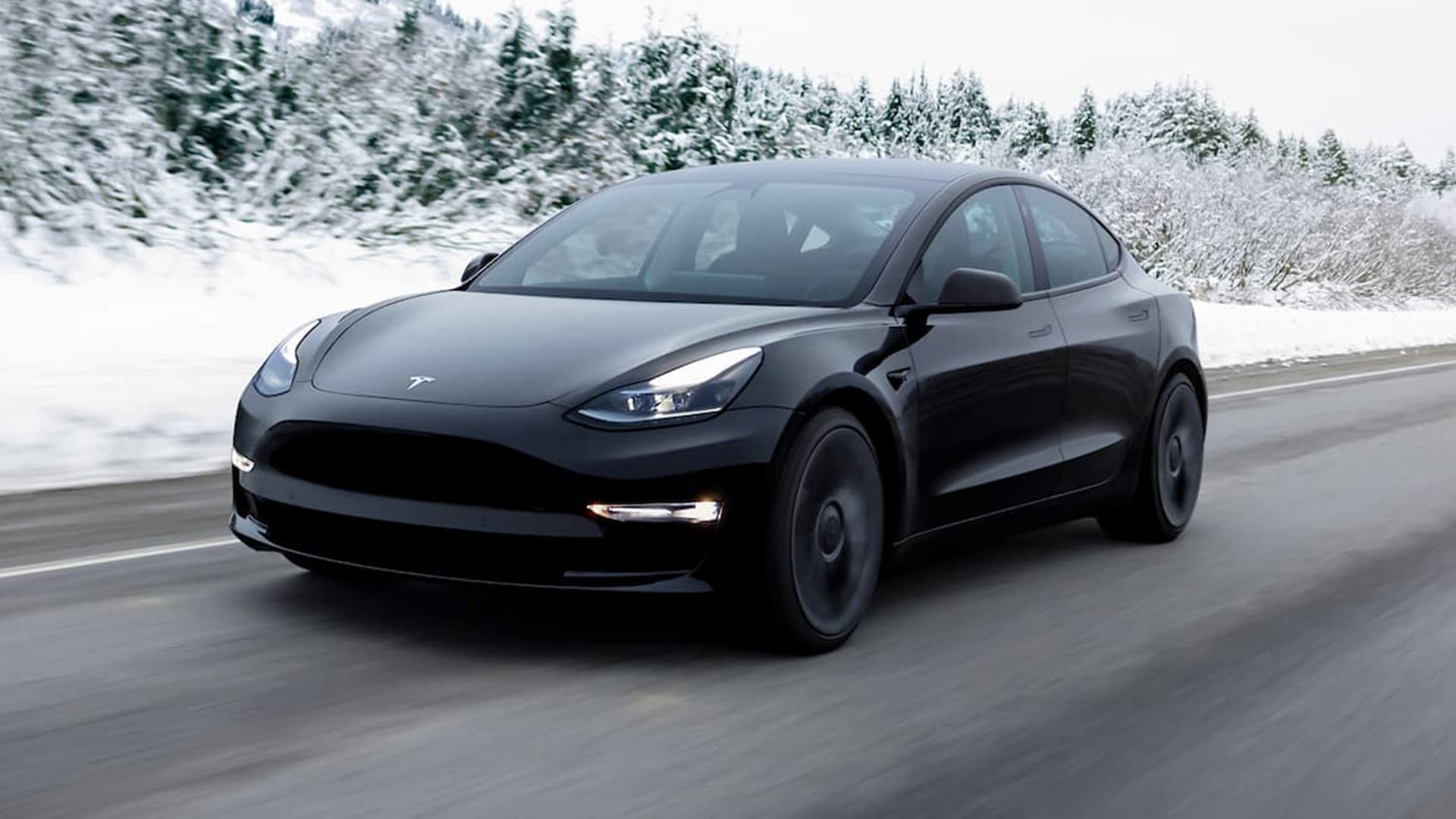
Tesla
Model 3
3 of 6 variants match
From
$64,900
to $80,900
Range
629 km
≈ 13 commutes
DC Charge
250 kW
fast
Buying guide
AWD EVs have an efficiency trade-off
The second motor adds weight and uses energy even when not strictly needed. Dual-motor AWD variants typically consume 10–20% more energy per 100 km than the equivalent single-motor model. This reduces range — compare both range and consumption figures when choosing between AWD and single-motor variants.
AWD does not automatically mean off-road capable
Most AWD EVs are engineered for improved road traction, not serious off-roading. Ground clearance, approach and departure angles, and dedicated off-road drive modes are what matter for rough tracks. Check these specs specifically if you need genuine off-road capability.
Why AWD matters for towing
When towing a heavy trailer, an AWD drivetrain distributes load across both axles and provides better stability control. Most manufacturers rate AWD variants for higher braked towing capacity than their single-motor equivalents — sometimes by 500–1,000 kg.