Best Small EVs & Electric Hatches
Small EVs are a natural fit for Australian city and suburban drivers: lower purchase price, cheap to run, easy to park, and more than enough range for the average 34 km/day commute. This segment has the widest variety of genuinely affordable electric options.
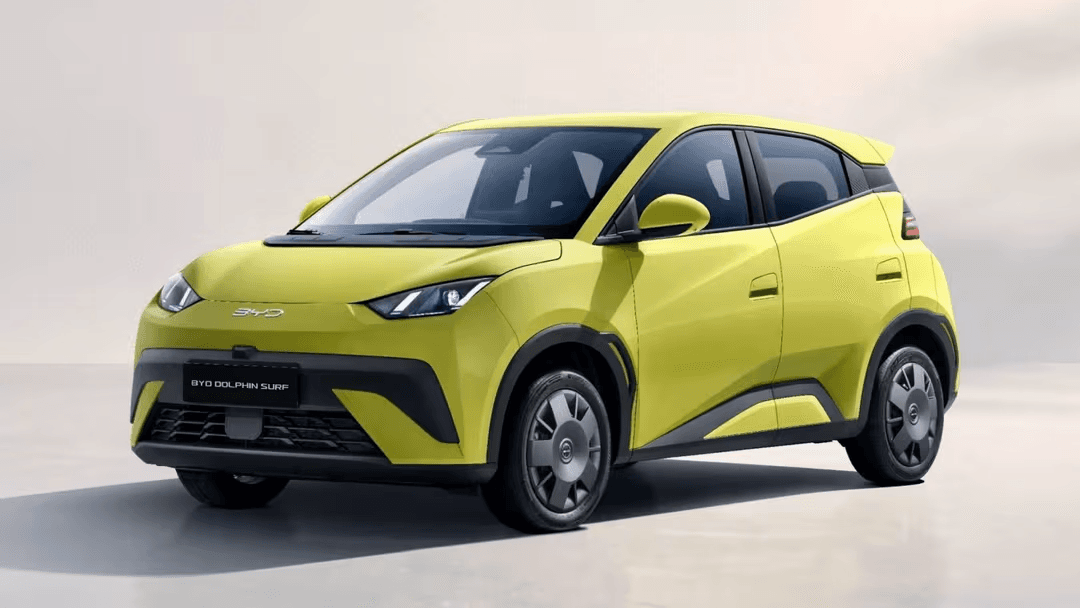
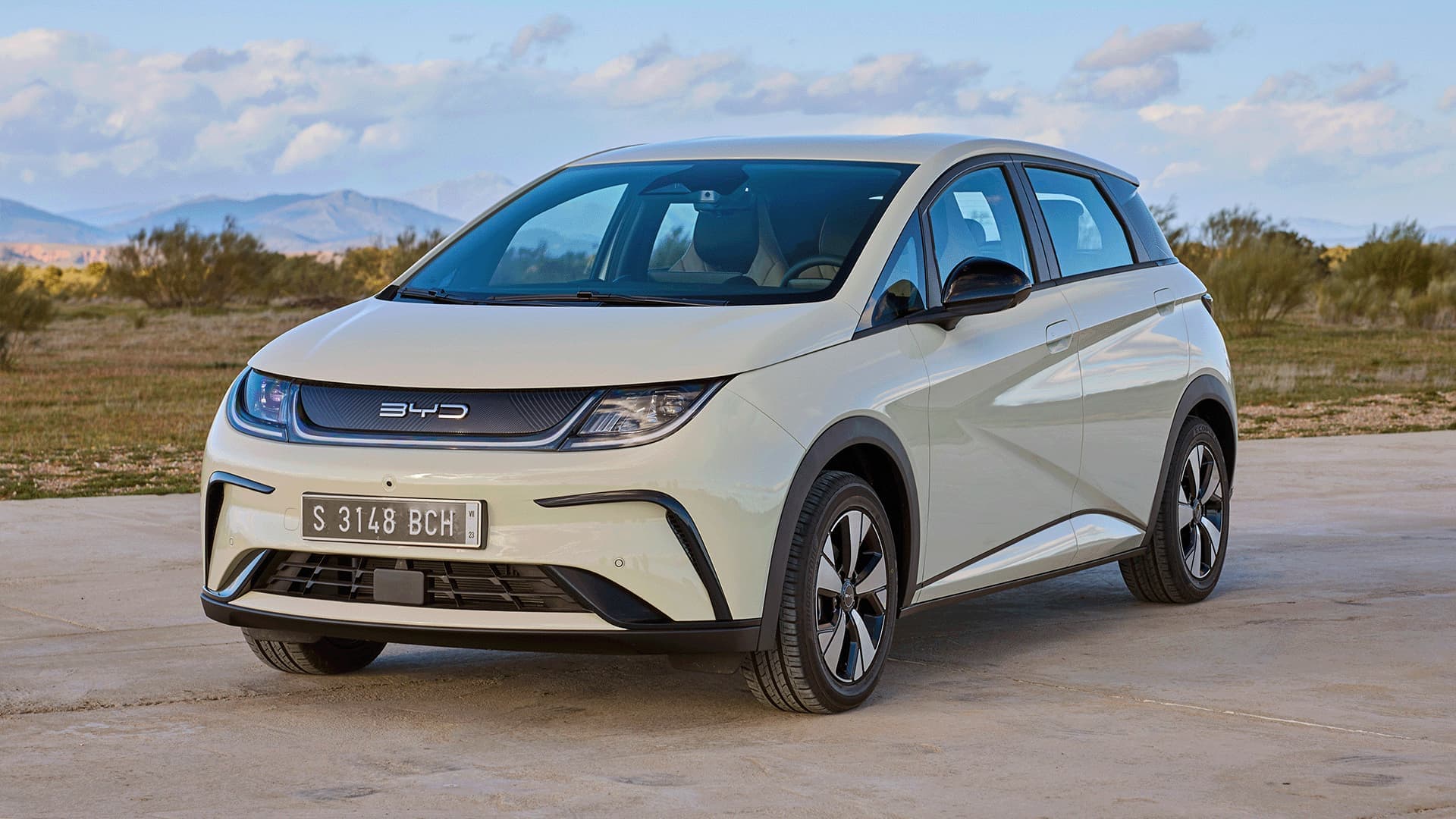
 Coming Soon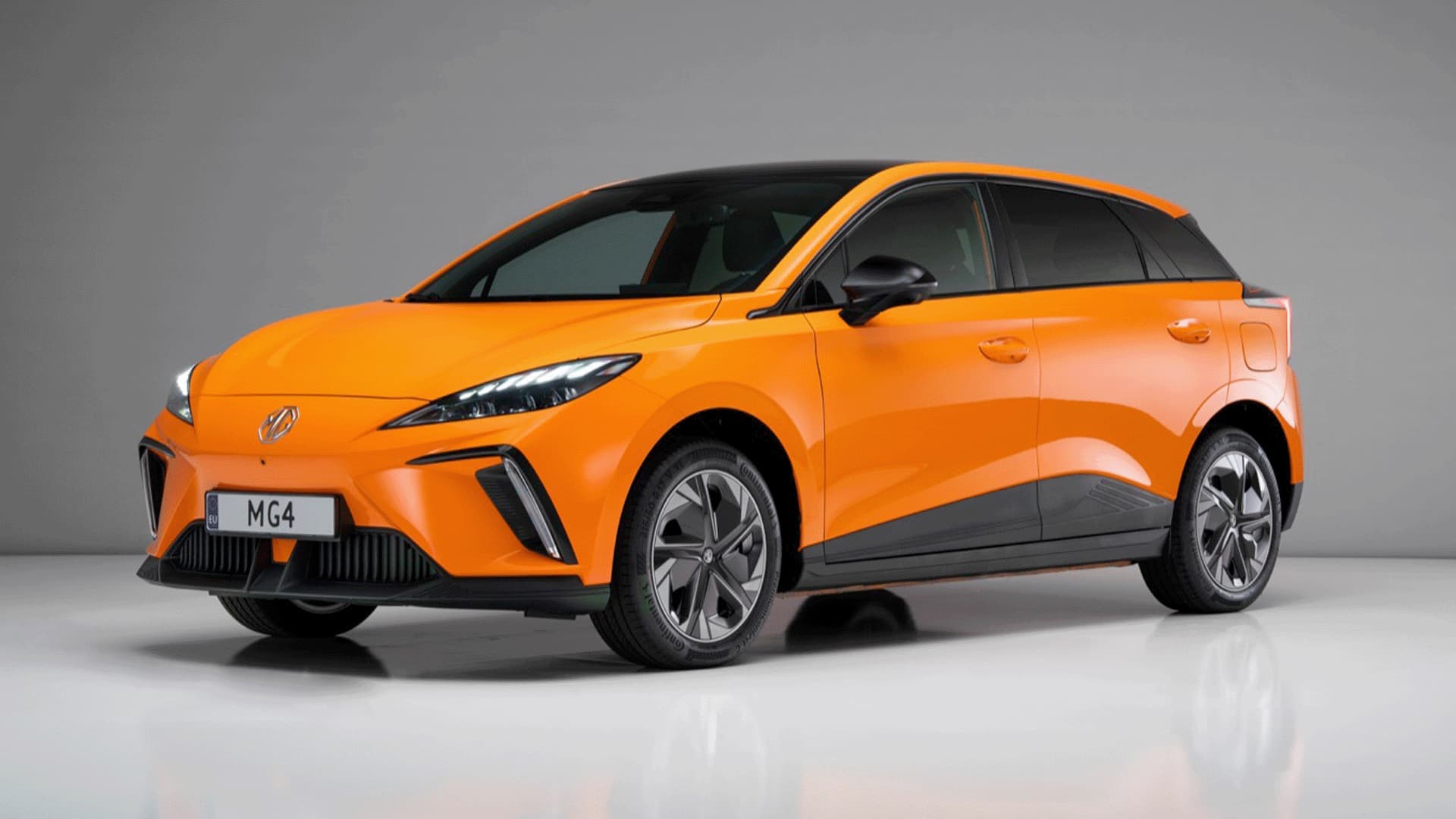
MG
MG4
4 variants
From
$36,990
to $49,990
Range
530 km
≈ 11 commutes
DC Charge
140 kW
medium
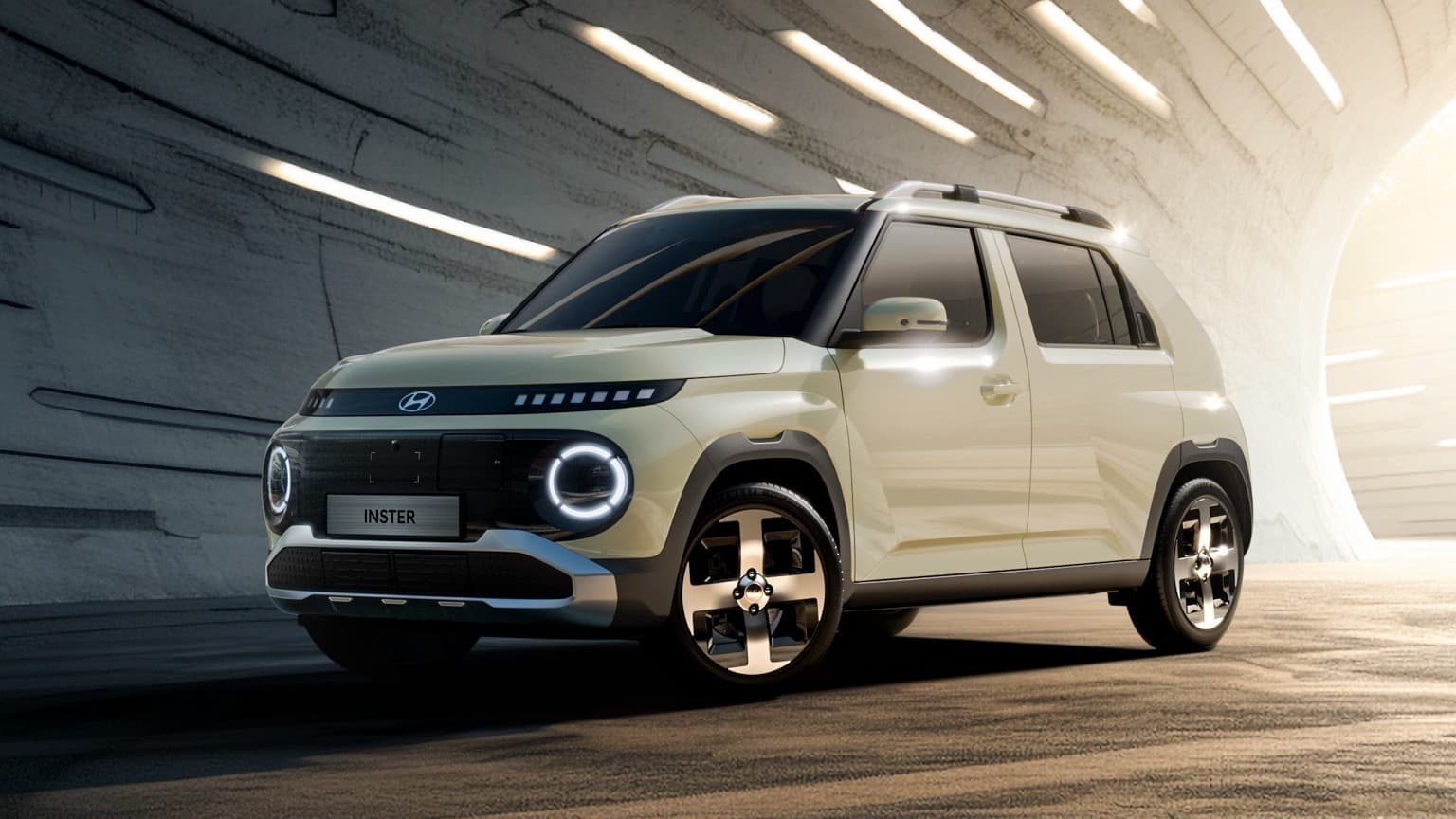
Hyundai
INSTER
2 of 3 variants match
From
$39,000
to $42,500
Range
355 km
≈ 7 commutes
DC Charge
120 kW
medium
 Coming Soon
Buying guide
How much range do city drivers actually need?
The average Australian drives 34 km per day. A 300 km WLTP range means most city drivers charge once or twice a week, not daily. A 250 km WLTP range is genuinely adequate for urban and suburban use — focus your comparison on price, interior quality, and charging convenience rather than chasing maximum range.
Home charging makes small EVs extraordinarily cheap to run
If you charge at home overnight at ~$0.30/kWh, a 50 kWh battery costs about $15 to fill from empty — covering 300–350 km. That's around $4–5 per 100 km, compared to $14–18 for a petrol equivalent. Over 3 years and 45,000 km, the fuel saving alone can exceed $3,500.
DC charging speed matters less for city EVs
Small EVs with modest DC charging speeds (50–80 kW) are fine for urban drivers who charge mostly at home. DC fast charging only becomes critical for long highway runs. Focus on the AC charging speed (how fast it charges on a home wallbox) and whether the car supports 7–11 kW AC charging.