Electric Wagons Available in Australia
Electric wagons combine sedan-style aerodynamic efficiency with a practical extended roofline and larger boot. The wagon body style is a natural fit for electric powertrains — lower drag than an SUV improves real-world range, while the extended load area makes them genuinely versatile. Here are the electric wagons currently available in Australia.
3 models available in Australia
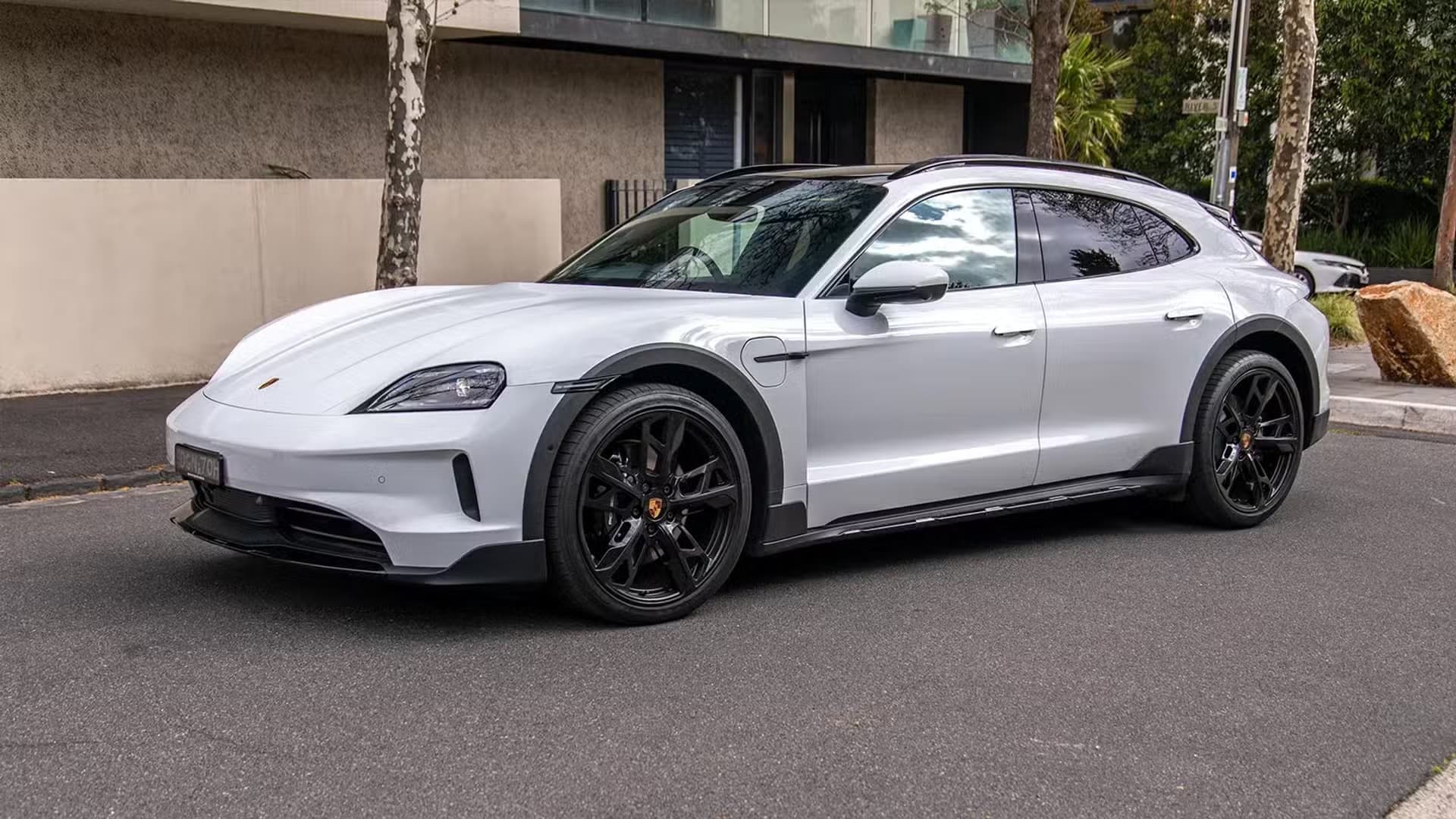
Porsche
Taycan Cross Turisomo
1 variant
From
$197,400
Range
517 km
≈ 11 commutes
DC Charge
320 kW
fast
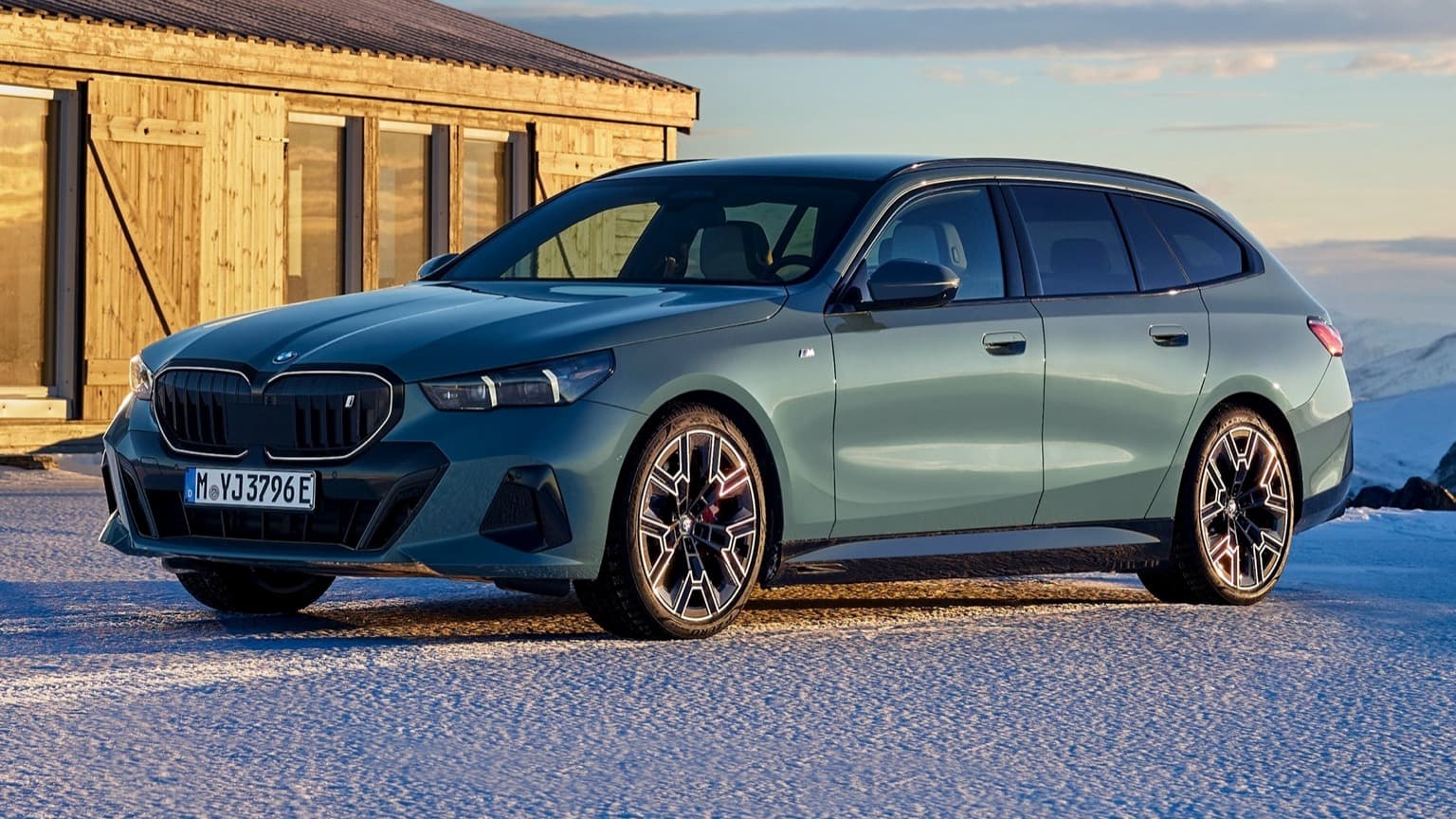
BMW
i5
1 of 3 variants match
From
$219,900
Range
506 km
≈ 10 commutes
DC Charge
205 kW
fast
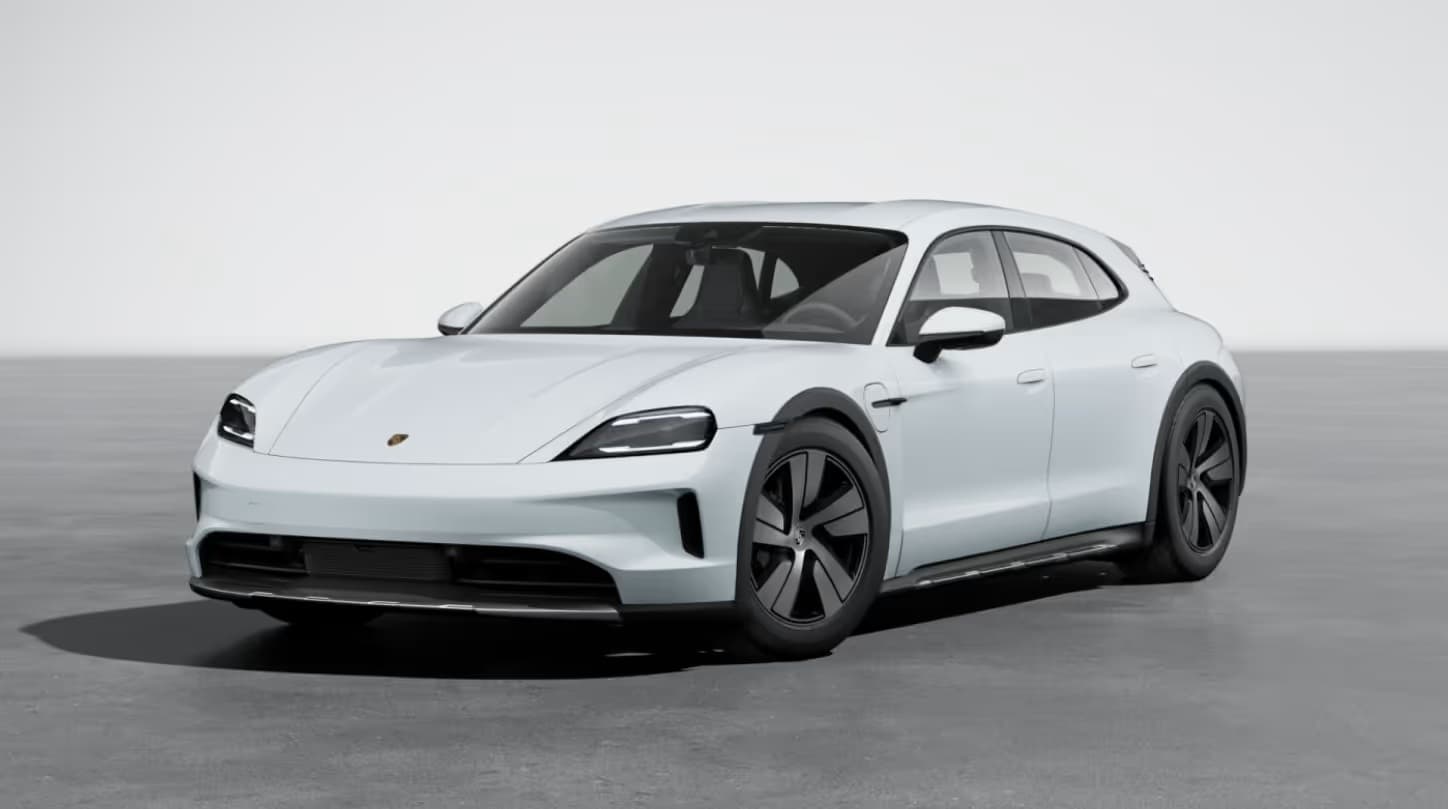
Porsche
Taycan Cross Turismo
2 variants
From
$224,000
to $310,400
Range
517 km
≈ 11 commutes
DC Charge
18 kW
standard
Frequently asked questions
What is the difference between an electric wagon and an electric SUV?
Electric wagons have a lower roofline than SUVs, which improves aerodynamic efficiency and real-world range. They typically sit lower to the ground and have a more car-like driving feel. The trade-off is lower ground clearance and reduced visibility vs an SUV. For drivers who prioritise efficiency and driving dynamics over ride height, a wagon is often the better choice.
How much boot space do electric wagons have?
Electric wagons typically offer 500–700 L of boot space with seats up, and 1,400–1,800 L with the rear seats folded. Many also include a frunk (front boot) in place of the engine, adding 30–60 L of additional storage. Total cargo capacity often rivals or exceeds equivalently sized SUVs.
Are electric wagons good for long-distance driving?
Wagons' lower drag coefficients make them more efficient at highway speeds than SUVs with similar battery capacity. For regular long-distance drivers, an electric wagon can offer meaningfully better real-world range than a taller SUV-bodied alternative. Compare consumption figures (Wh/km) rather than just WLTP range when evaluating highway driving ability.