Best AWD EVs in Australia
AWD electric vehicles use two motors — one per axle — giving them better traction, faster acceleration, and more confidence in wet, hilly, or off-road conditions. They're also better suited to towing.
How we ranked these
AWD EVs are bought for capability — ranked by range and charging speed, which determine how far and how fast you can drive them.
AWD drivetrains use more energy than single-motor variants. A high range score indicates good efficiency despite the second motor — meaning real-world capability holds up better than the spec sheet might suggest.
Most AWD EVs are performance-oriented, and fast charging completes the package. 150+ kW means capable road-trip performance on Australia's ultra-rapid charging network.
A small value weighting to distinguish EVs with comparable range and charging specs.
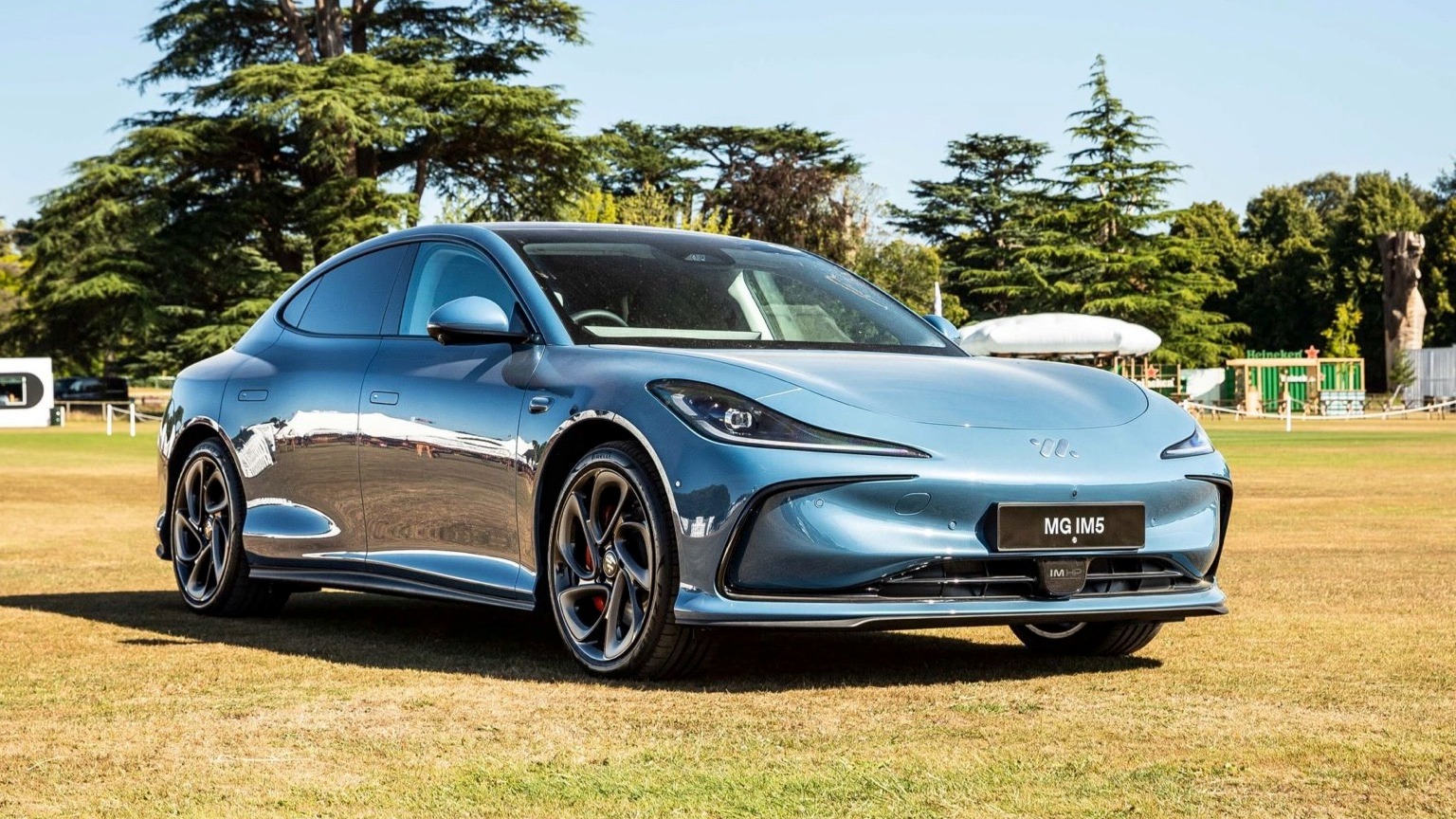
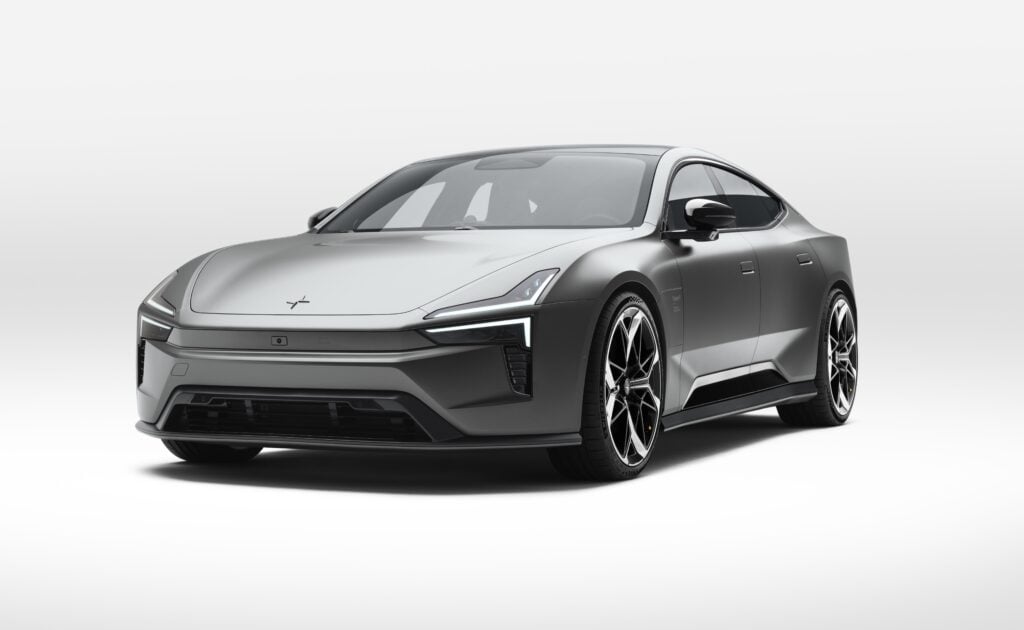
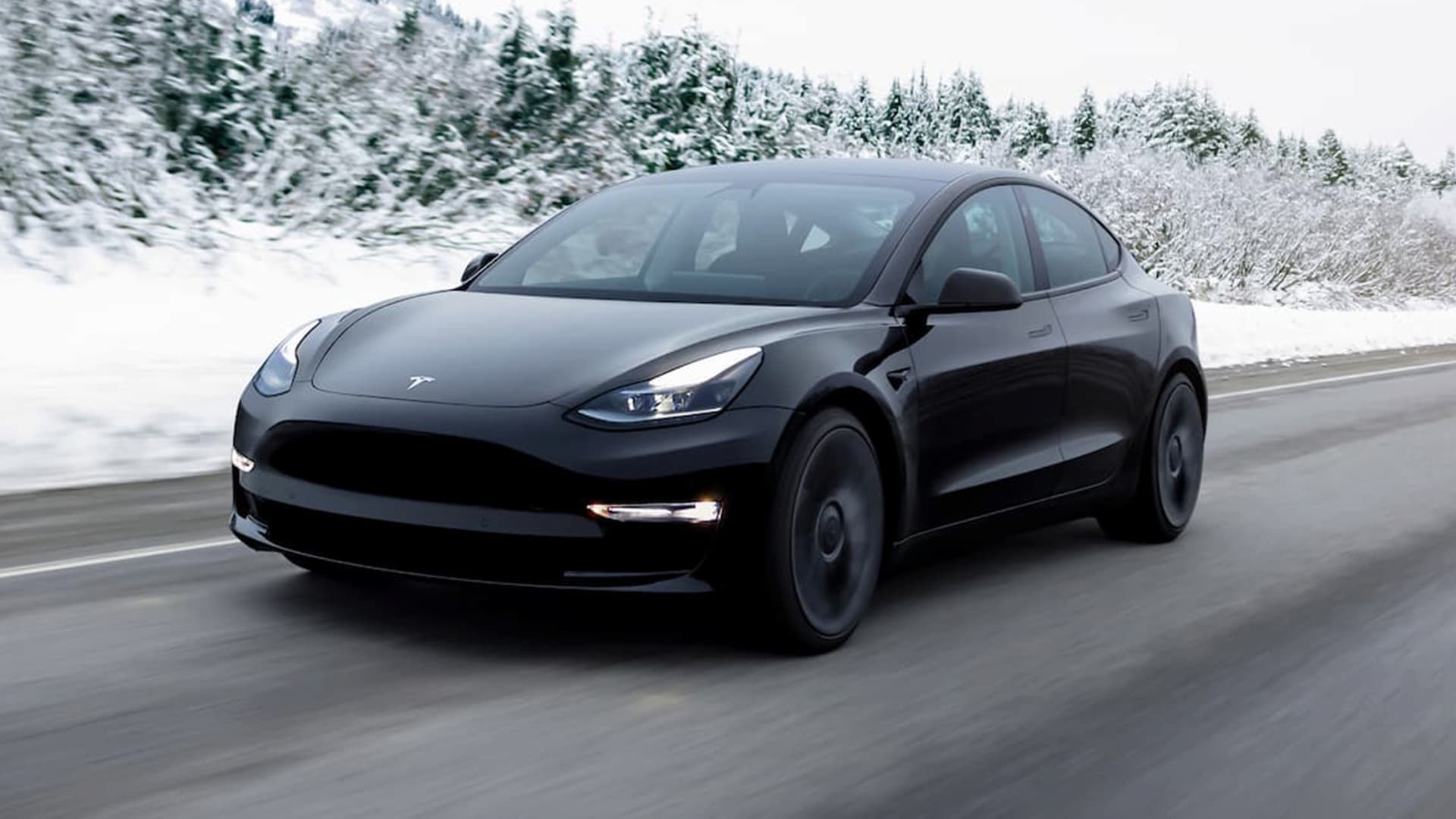
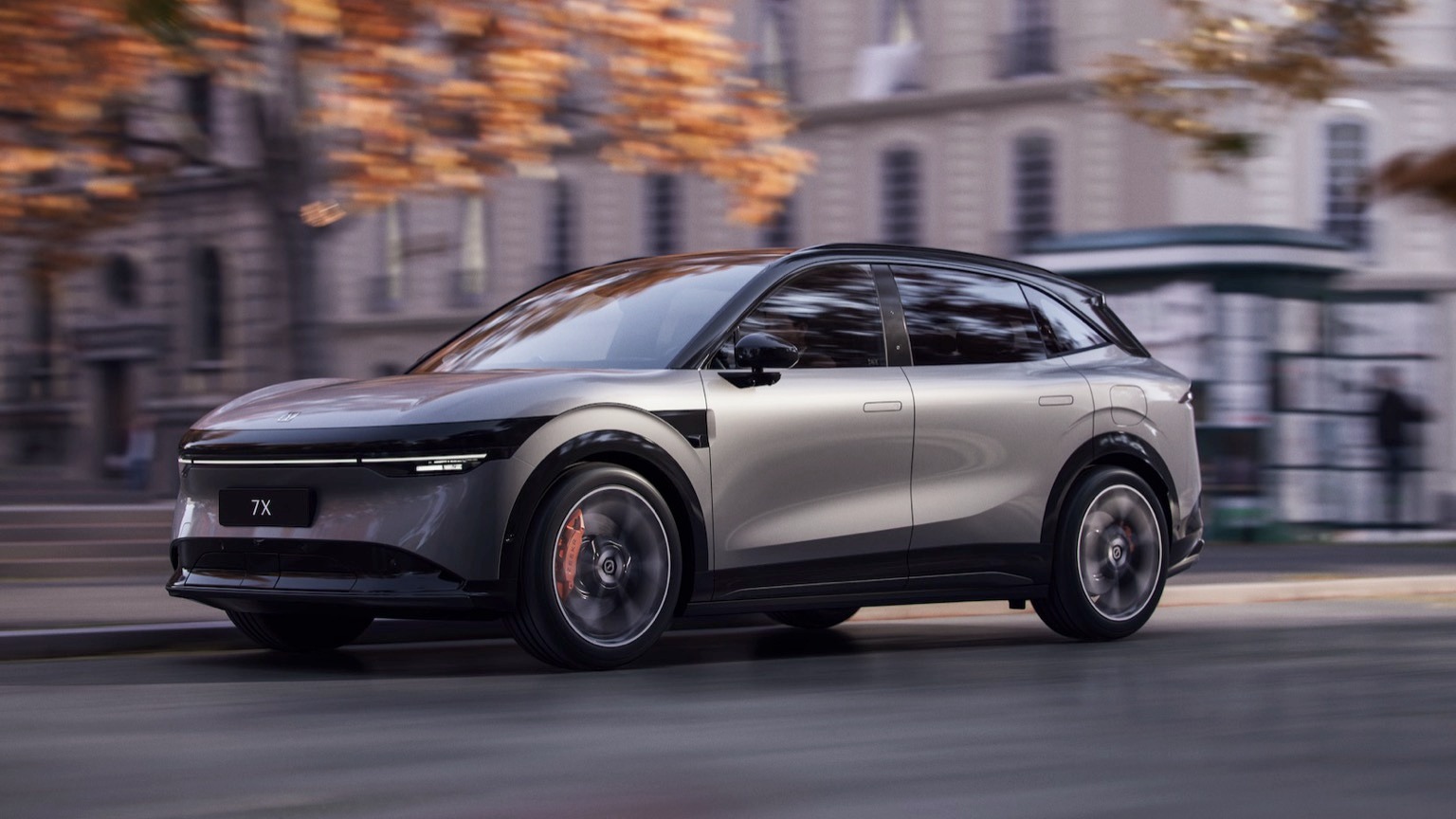
Buying guide
AWD EVs have an efficiency trade-off
The second motor adds weight and uses energy even when not strictly needed. Dual-motor AWD variants typically consume 10–20% more energy per 100 km than the equivalent single-motor model. This reduces range — compare both range and consumption figures when choosing between AWD and single-motor variants.
AWD does not automatically mean off-road capable
Most AWD EVs are engineered for improved road traction, not serious off-roading. Ground clearance, approach and departure angles, and dedicated off-road drive modes are what matter for rough tracks. Check these specs specifically if you need genuine off-road capability.
Why AWD matters for towing
When towing a heavy trailer, an AWD drivetrain distributes load across both axles and provides better stability control. Most manufacturers rate AWD variants for higher braked towing capacity than their single-motor equivalents — sometimes by 500–1,000 kg.